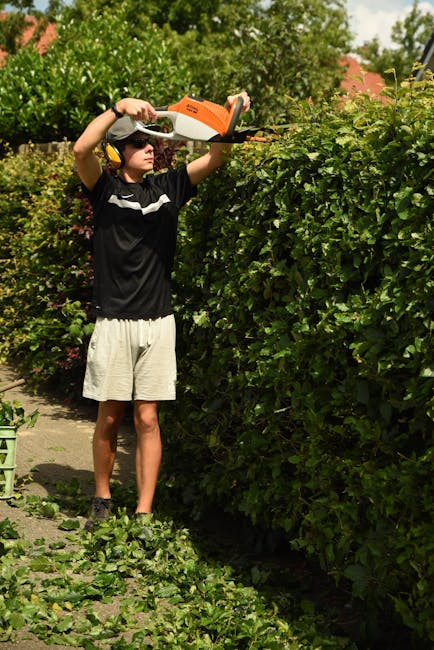
Local gardeners Ickenham UB10 best reviewed teams: how to choose trusted local help that actually fits your garden
If you're searching for Local gardeners Ickenham UB10 best reviewed teams, chances are you want more than a quick mow and a polite invoice. You want people who turn up, understand West London gardens, and leave the place looking properly cared for - not just tidied in a rush. That usually means a team with good local feedback, practical experience, and the kind of service that feels steady from the first call through to the final sweep-up.
Ickenham gardens can be a bit of a mixed bag: front plots that need sharp kerb appeal, family lawns that get a lot of use, mature planting that needs careful pruning, and the occasional corner that quietly becomes a jungle after a busy few weeks. To be fair, life happens. This guide breaks down what the best reviewed local teams usually offer, how to compare them sensibly, and what to watch for before you book. A little due diligence now can save you a lot of hassle later.
For wider context on garden services, you may also find it useful to look at regular garden maintenance options, browse full gardening services, or check practical support like lawn mowing and care if you want a more specific job done.
Table of Contents
- Why Local gardeners Ickenham UB10 best reviewed teams Matters
- How Local gardeners Ickenham UB10 best reviewed teams Works
- Key Benefits and Practical Advantages
- Who This Is For and When It Makes Sense
- Step-by-Step Guidance
- Expert Tips for Better Results
- Common Mistakes to Avoid
- Tools, Resources and Recommendations
- Law, Compliance, Standards, or Best Practice
- Options, Methods, or Comparison Table
- Case Study or Real-World Example
- Practical Checklist
- Conclusion
- Frequently Asked Questions
Why Local gardeners Ickenham UB10 best reviewed teams Matters
Choosing a local gardening team is not just about convenience. In a place like Ickenham, where gardens range from compact suburban spaces to larger plots with hedges, borders and patio areas, local know-how really does matter. The best reviewed teams tend to understand what survives in shaded corners, what gets scorched on warmer south-facing beds, and how to work around busy households without turning the whole place upside down.
Good reviews usually reflect more than tidy lawns. They often signal reliability, clear communication, respect for property, and a decent eye for detail. That matters because gardening work can be quite visible. A slightly botched pruning job, a missed boundary hedge, or clippings left in the wrong place can affect the feel of the whole garden. And once a garden feels off, you notice it every time you look out the window.
There's also a trust element. You may be letting people into the side passage, near storage, or around plants you've spent years nurturing. Best reviewed local teams often get the small things right: they arrive when they say they will, they ask before cutting back something uncertain, and they clean up properly. Sounds simple. It isn't always simple.
Expert summary: the strongest local gardening teams usually combine consistency, practical horticultural judgement, and tidy workmanship. Reviews help, but the real test is whether their service feels dependable, thoughtful, and suited to your garden rather than generic.
How Local gardeners Ickenham UB10 best reviewed teams Works
The process usually starts with an enquiry. You describe the garden, the rough size, what needs doing, and whether you want a one-off tidy-up or regular maintenance. A sensible team will ask follow-up questions. They may want photos, a quick visit, or a short list of priorities. That back-and-forth is a good sign, not a nuisance. It means they are trying to understand the job properly before quoting.
From there, the team should outline what is included. That could be lawn cutting, hedge trimming, border weeding, leaf clearance, weed control, jet washing, or more seasonal work like pruning and planting. Some teams focus on maintenance only, while others also handle bigger jobs such as redesigning a border or reshaping an overgrown space. If you want more than maintenance, it helps to explore services like hedge trimming or tree surgery support where appropriate.
The best reviewed teams usually have a rhythm to their work. They don't rush through the obvious bits and forget the awkward corners. They work methodically, bag waste properly, and leave the garden looking coherent rather than merely cut back. You'd be surprised how often that difference shows.
Local teams may also offer recurring visits. That can be weekly in the growing season, fortnightly for smaller gardens, or monthly for more stable spaces. For a lot of homeowners in UB10, a regular plan is what keeps the garden from slipping into a catch-up cycle every six weeks. A bit of routine tends to beat heroic rescue jobs. Truth be told, gardening is often about staying ahead, not chasing problems.
Key Benefits and Practical Advantages
Working with a well-reviewed local gardening team in Ickenham brings some clear advantages. The first is consistency. A garden improves over time when the same people see what has changed, what needs attention, and what needs leaving alone. Plants have memory, in a way. Not literally, obviously, but established borders do better when someone understands how they've responded in different seasons.
Another advantage is local responsiveness. If your hedge suddenly looks unruly before family visiting day, or you've got a patch of lawn that has gone thin after a wet spell, a nearby team is usually easier to schedule than a vague provider covering half of Greater London. It is just easier to keep things moving.
There's also better judgement. Good gardeners know the difference between a plant that needs deadheading and one that needs a little patience. They know when a weed problem is just surface level and when it points to soil compaction, shade, or drainage. That practical judgement is often what sets the best reviewed teams apart.
- Better timekeeping: local teams are often easier to book and rebook.
- Cleaner finishes: clippings, debris, and waste are usually handled more carefully.
- More relevant advice: they can suggest what tends to work in nearby gardens and conditions.
- Less guesswork: clear quotes and defined tasks reduce awkward surprises.
- Longer-term value: regular maintenance can prevent expensive catch-up jobs.
For some households, the benefit is not just visual. It is the feeling of control. A neat garden makes the whole home feel calmer, especially in spring and early summer when everything seems to grow faster than you can blink.
Who This Is For and When It Makes Sense
This kind of service makes sense for a few very different people. If you're a busy homeowner who wants the garden to look cared for without spending every weekend with shears in hand, a local team can be a real relief. If you're renting out a property, keeping the outside neat can make a strong first impression and reduce avoidable complaints. And if you're a landlord or property manager, regular gardening support can stop minor issues turning into bigger ones.
It also makes sense if your garden has become slightly overwhelming. Maybe the hedge is too tall, the borders are full of self-seeded weeds, and the lawn is patchy in places. Happens all the time. In that situation, a best-reviewed local team can help you regain structure without making you start from scratch.
Older homeowners often value reliability and light-touch, respectful service. Families, on the other hand, may want practical upkeep that keeps paths clear and play areas usable. If you have a larger garden or a more ornamental layout, you might need a team that can combine maintenance with border planting advice or other seasonal work.
Ask yourself a simple question: do you need the garden to look good once, or do you need it to stay good? That answer usually points you to the right type of service.
Step-by-Step Guidance
If you want to choose well, a step-by-step approach helps far more than skimming star ratings alone. Reviews are useful, yes, but they work best alongside a proper look at what the team actually offers.
-
Define your job clearly.
Write down the tasks you need, the areas involved, and any priorities. For example: front lawn cut, back hedge trimmed, weeds removed from patio, and waste taken away. A clear brief saves time on both sides.
-
Check what type of service they provide.
Some teams focus on maintenance only. Others handle one-off tidy-ups, seasonal cuts, planting, or more involved garden restoration. Match the provider to the job, not the other way round.
-
Look for evidence of practical experience.
Ask about similar gardens they've worked on. A team familiar with suburban plots, mature shrubs, small lawns, and awkward access points is often a better fit than one that mainly handles showpiece landscapes.
-
Compare quotes on scope, not just price.
A cheaper quote may exclude waste removal, hedge waste, or extra labour. Better to understand exactly what is included before you commit.
-
Ask how they handle unknowns.
What happens if they discover a broken branch, an invasive weed problem, or a plant that should not be pruned at that time of year? Good teams explain options rather than guessing.
-
Check communication style.
Fast, clear replies matter. If it takes several messages to get a basic answer, that can be a small warning sign. Not always, but often enough.
-
Book a first visit and review the result.
Once the work is done, look at the finish, the cleanup, and whether the garden feels balanced. If it does, you may have found a reliable long-term team.
If you want a broader view of what a professional service usually includes, see garden clearance support or seasonal gardening help for jobs that go beyond routine upkeep.
Expert Tips for Better Results
A few practical habits make a big difference when hiring local gardeners in Ickenham. First, take photos of your garden before the work starts. Not because you expect trouble, but because it helps everyone stay aligned on what "tidy" actually means. One person's tidy is another person's "needs another hour."
Second, be specific about plant priorities. If you've got roses, a favourite hydrangea, or a shrub you don't want touched too hard, point it out. It sounds obvious, but small plant misunderstandings happen more often than people admit. I've seen perfectly decent gardens lose shape because the brief was a bit too vague.
Third, think seasonally. A good team will know that spring, early summer, and autumn bring different jobs. A spring visit may be about clearing winter debris and shaping growth. Autumn is more about leaf fall, cutting back responsibly, and preparing beds for the colder months. Late afternoon light in October can be lovely, but it also shows every missed edge. Quite brutally, sometimes.
Fourth, ask for a maintenance rhythm that matches your garden's pace. A small courtyard with pots may not need frequent heavy work. A leafy family garden with a fast-growing hedge probably will. Matching the schedule to the growth pattern is one of the easiest ways to save money and avoid stress.
Finally, don't be shy about asking how waste is handled. Some teams include removal; others don't. A tidy finish matters, and so does knowing whether bags will be left for collection or taken away immediately.
Common Mistakes to Avoid
One of the biggest mistakes is choosing solely on the star rating without reading the details. A handful of good reviews is useful, but you still want to know what those reviews were actually praising. Was it punctuality? A difficult hedge job? Friendly communication? Those details matter more than a number on its own.
Another common issue is under-explaining the job. If you say "general tidy-up" and the garden needs border reduction, lawn care, patio clearing, and waste removal, you may end up disappointed. Clear briefs make better outcomes. Simple as that.
People also sometimes assume every gardener does everything. Not quite. Some specialise in routine maintenance, others in landscaping, some in tree work, and some in seasonal clearance. Choosing a team outside their strongest area can lead to an awkward result, even if they seem capable on paper.
- Don't ignore access issues like narrow side paths, locked gates, or parking constraints.
- Don't forget to ask whether waste removal is included.
- Don't let overgrown work wait until it becomes a full restoration job.
- Don't assume pruning can happen any time of year without checking plant needs.
- Don't skip the follow-up conversation after the first visit.
To be fair, most poor experiences come from a mismatch, not bad intentions. The right team for the job tends to prevent that mismatch before it starts.
Tools, Resources and Recommendations
The best reviewed gardening teams usually bring their own professional tools, but it helps to understand what good equipment and sensible working practices look like. For routine care, that often includes reliable mowers, edging tools, hedge trimmers, secateurs, rakes, and waste bags or bins suitable for the job. For more involved work, you may see pruning saws, heavier clearing tools, or equipment for lifting cuttings safely.
From a homeowner's perspective, a few simple resources can make the process smoother:
- Garden photos: useful for quotes and before/after comparisons.
- A simple task list: keeps the brief focused.
- Seasonal notes: helps track what was done and when.
- Access instructions: especially useful if someone else needs to let the team in.
- Plant labels or notes: handy if you have shrubs you want protected.
For related services and planning support, you may also want to look at regular garden tidy-ups, professional weeding services, and garden design support if you're thinking beyond maintenance and into longer-term improvement. It's often easier to fix the structure of a garden once than patch it repeatedly.
A small but useful recommendation: keep a folder, digital or paper, with your quotes, notes, and maintenance dates. It sounds a bit organised, maybe even overly neat, but that record makes future decisions much easier.
Law, Compliance, Standards, or Best Practice
For most domestic gardening work in the UK, the key issue is not complex regulation but responsible practice. A reputable team should work carefully around property, use tools safely, and dispose of green waste properly. If machinery is used near neighbours, shared access, or public areas, sensible noise and safety awareness matter too.
If the work involves trees, protected plants, or a boundary feature that may be shared with a neighbour, it is wise to proceed carefully and confirm ownership or permission where needed. Tree work can be especially sensitive, so if you are unsure, ask for proper guidance before anything is cut. Better a slight delay than a boundary dispute. Nobody wants that kind of drama, not on a Tuesday morning anyway.
Best practice also means:
- checking whether waste removal is included or separately arranged,
- using tools appropriately for the task,
- protecting planted areas and hard surfaces during work,
- giving clear instructions for any plants that should not be touched,
- and respecting access, parking, and neighbour considerations.
For more detail on service expectations, a team's general approach to professional standards and customer care can help you judge whether they operate with the level of care you want. In practice, good standards are often visible long before a job begins: clear communication, tidy vehicles, sensible questions, and no pressure.
Options, Methods, or Comparison Table
Different gardens need different kinds of help. If you are weighing up your options, this simple comparison can make the choice clearer.
| Option | Best for | Strengths | Things to watch |
|---|---|---|---|
| One-off tidy-up | Overgrown or neglected gardens | Fast visible improvement, useful before events or photos | May not stop the garden slipping back again |
| Regular maintenance | Busy homes and active gardens | Keeps growth under control, easier budgeting | Needs a schedule that matches the garden's pace |
| Seasonal visits | Gardens that change sharply through the year | Good for spring clear-ups and autumn preparation | Can leave gaps if growth is very fast |
| Specialist work | Hedges, trees, planting, or restoration | Better for technical or labour-heavy tasks | May require multiple services rather than one team |
If you are unsure, start with the smallest viable job. A first tidy-up or initial maintenance visit often shows you whether the team's style suits you. You can always expand the scope later once trust has been built.
Case Study or Real-World Example
Imagine a typical Ickenham rear garden: a medium lawn, a hedge along one side, a few borders near the fence, and a patio that catches fallen leaves in autumn. Nothing outrageous. Just the sort of garden that looks lovely when kept on top of, and a bit tired when ignored for a month or two.
The owner wants help because weekends are busy and the garden has started to feel out of hand. After a few quotes, they choose a well-reviewed local team that asks for photos, notes the narrow access path, and flags that the hedge might need a careful first pass rather than a hard cut. That's encouraging. It shows judgement.
On the visit, the team clears the lawn edges, trims the hedge in stages, weeds the patio joints, and removes the waste. The garden doesn't look "done to death"; it looks balanced. The difference is subtle but real. The space suddenly feels usable again. You can hear the gravel properly when you walk out, the patio stops looking grey and sad, and the whole place seems to breathe a bit.
After that first job, the owner agrees a monthly maintenance plan. Nothing fancy. Just enough to stop weeds settling in and to keep the hedge from becoming a small privacy wall with ambitions. The result is more control, less stress, and no weekend panic before visitors arrive.
That is usually the sweet spot. Not overcomplicated. Not over-promised. Just steady, decent work that keeps the garden looking like someone cares.
Practical Checklist
Use this checklist before hiring a team. It's simple, but it catches most of the usual problems.
- Define the job: what exactly needs doing?
- Share photos: front, back, and any awkward areas.
- Ask what is included: labour, tools, waste removal, travel, follow-up.
- Check review quality: look for specific, recent, relevant feedback.
- Confirm access: gates, parking, locks, pets, and neighbours.
- Discuss sensitive plants: anything that should not be cut back hard.
- Clarify timing: one-off, weekly, fortnightly, or seasonal.
- Request a clear quote: avoid vague wording where possible.
- Ask about waste handling: taken away or left for collection?
- Review the result: finish, tidiness, communication, and reliability.
If you can tick most of those boxes, you are usually in a good place. If not, pause and ask a few more questions. A little patience now is worth it.
Conclusion
Finding Local gardeners Ickenham UB10 best reviewed teams is really about matching dependable people with the real needs of your garden. The strongest choice is rarely the flashiest one. It is usually the team that listens carefully, works neatly, explains things plainly, and understands how local gardens actually behave through the seasons.
Start with clear priorities, compare service scope rather than just price, and trust the details in the reviews. That mix gives you a far better chance of ending up with a garden that feels healthy, orderly, and easy to live with. And honestly, that's what most people want: not perfection, just a garden that looks cared for and doesn't demand all your spare time.
Get a free quote today and see how much you can save.
When the right team gets it right, the whole outdoor space lifts a little. Quietly. And that's a lovely thing to come home to.
Frequently Asked Questions
What should I look for in a local gardener in Ickenham UB10?
Look for reliability, clear communication, relevant experience, and reviews that mention jobs similar to yours. A gardener who asks questions before quoting is usually a better bet than one who rushes in with a price and no detail.
Are the best reviewed teams always the cheapest?
Usually not. The lowest quote can leave out waste removal, labour time, or follow-up work. Best reviewed teams often charge for proper service rather than cutting corners, which can save money over time.
Should I choose a one-off tidy-up or regular maintenance?
If your garden gets overgrown quickly, regular maintenance is often easier and better value. If things are only a little untidy or you need a reset before an event, a one-off tidy-up may be enough.
How often should a garden in UB10 be maintained?
It depends on the size of the garden, the plants involved, and the season. Fast-growing hedges and active lawns usually need more frequent attention than smaller, low-growth spaces.
Do local gardeners usually take away green waste?
Some do and some don't. Always ask before booking. Waste removal is a common point of difference between quotes, so it's worth confirming early.
How can I tell if a review is genuinely useful?
Specific reviews are better than generic praise. A useful review mentions punctuality, communication, the type of work done, and how the garden looked afterwards.
What if my garden is badly overgrown?
That is very common, so don't worry. Ask for a first-stage clearance or tidy-up and then a follow-on maintenance plan. Trying to do everything at once can make the job harder and more expensive.
Can I ask a gardener not to prune certain plants?
Yes, absolutely. In fact, you should point out anything precious, seasonal, or uncertain before work begins. A good team will welcome clear instructions.
Do gardeners in Ickenham work in winter?
Yes, many do, though the type of work changes. Winter jobs often focus on clearance, pruning where appropriate, hedge work, and preparation for spring rather than heavy growth control.
Is it worth using the same team throughout the year?
Often, yes. A team that sees your garden regularly will understand how it changes, what has been done already, and where problems tend to appear. That continuity can make the service more effective.
What should I ask before accepting a quote?
Ask what is included, how long the job should take, whether waste removal is part of the price, and whether there are any limits on plant care or access. Those four questions clear up a lot of misunderstandings.
How do I compare gardeners without overthinking it?
Focus on three things: responsiveness, clarity, and fit for the job. If a team communicates well, explains the scope plainly, and has relevant local experience, you are usually close to a good decision.