Hedge Trimming in Ickenham
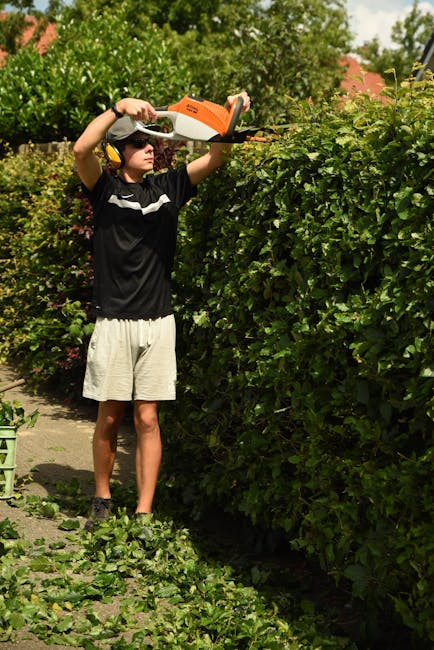
Hedge trimming in Ickenham is a practical way to keep boundary planting neat, healthy and manageable through the growing season. We provide a focused hedge trimming service that shapes established hedges, tidies softer growth and keeps lines consistent along front gardens, rear gardens and side returns. The work can be light seasonal cutting or more involved reduction, depending on the plant type, the growth rate and the finish you want.
Regular trimming helps hedges hold a cleaner outline and prevents them from becoming too wide, too tall or uneven. It also supports denser growth in many common garden hedges, where careful cutting encourages a fuller appearance rather than sparse, leggy branches. Our approach is measured and tidy, with the cut directed by the hedge’s natural form and by the level of maintenance it has received previously.
If you need a quote, send over the basic details of the hedge and the area it runs along. You can then compare the scope properly and decide what level of trimming suits the garden best. For a fuller view of the services we offer, see the services overview and the pricing and quotes page.
Routine hedge maintenance for tidy boundaries
Many hedges benefit from repeated maintenance rather than an occasional drastic cut. A routine trim keeps the outside surface compact and helps the top and sides stay even, which is especially useful where the hedge frames a driveway, path or front boundary. We work to the shape already present, taking care not to overcut new growth where a softer finish is preferable. That makes the result look deliberate rather than blunt.
Different hedge types need different treatment. Some respond well to a lighter trim that preserves foliage on the outer edges, while others can be cut back a little further without affecting appearance. We assess the growth pattern before trimming so that the hedge keeps a natural line. If a hedge has become uneven after a missed season, the work may focus first on restoring proportion and then on refining the surface.
Common hedge-trimming jobs can include straightening uneven tops, reducing side spread, clearing access points and improving the visibility of garden features without stripping the hedge of its structure. Where repeated maintenance is needed, a steady schedule is often better than waiting for the hedge to get out of control. If you are considering ongoing care alongside other garden work, the garden maintenance page gives a broader picture of the support available.
Shaping, reduction and careful cutting

Not every hedge needs the same finish. Some are best kept crisply squared off, while others look better with a gentler profile that suits the planting around them. Shaping can soften a hedge’s appearance, correct bulges and improve balance where one section has grown faster than another. Reduction is more suitable where height or width has become excessive and the hedge needs bringing back within a workable size.
When a hedge is reduced, the aim is to avoid leaving obvious gaps or a severe outline unless that is specifically what the plant and setting call for. A careful cut can create a better result than removing too much growth at once. In many cases, it is wiser to reduce over time and preserve healthy foliage rather than forcing a single hard reset. This is especially relevant for ornamental hedges that are expected to stay visually neat throughout the year.
We also consider how the hedge relates to its surroundings. A hedge beside paving may need a cleaner vertical face, while one along a garden edge may benefit from a slightly softer line to suit adjoining planting. The finish can be chosen to complement the space rather than impose a uniform style. For related work on other garden boundaries, you may also wish to look at landscape gardening and landscaping.
What is involved in a hedge trimming visit
Hedge trimming usually starts with an assessment of the hedge’s size, access and condition. That helps set expectations for the finish and the likely amount of cut needed. If there are different hedge sections in the same garden, each one may need a different approach, especially where younger growth sits beside older, denser material. The goal is to keep the work orderly and proportionate to the hedge itself.
It is useful to provide a few clear details before requesting a quotation. A short description of the hedge type, approximate length and height, and whether you want shaping, reduction or a light tidy is often enough to begin with. Photographs can also help show access, nearby obstacles and the current outline. If you are comparing services, the hedge trimming page sets out the core service, while the contact us page is the place to send an enquiry when you are ready.
Preparing a quote request does not need to be complicated. The most useful information is the hedge’s location in the garden, the state of growth, and whether waste removal is likely to be needed. With that, it becomes easier to judge the scale of the job and provide a sensible response. You can also review the garden clearance page if the hedge work is part of a larger tidy-up.
Hedge waste, finishes and seasonal timing
Cutting a hedge produces a mixture of leafy material and woody offcuts, and the amount created varies widely depending on the hedge’s density and how long it has been left to grow. A light trim may only create a small volume of waste, while a reduction job can produce far more. The practical approach is to plan the cut with disposal in mind so the work finishes cleanly and the garden is left usable.
Seasonal timing also matters. Some hedges can be trimmed more frequently through the warmer months to preserve a tidy line, while others are better handled at specific points in the year to avoid unnecessary stress on the plant. The right timing depends on the hedge type and the outcome you want. For many customers, the choice is between keeping growth controlled through repeated light trims or allowing a larger cut after a longer interval. If hedges are part of a wider garden refresh, the lawn mowing service can complement the same visit.
When choosing a finish, it helps to decide whether you want the hedge to look sharply formal or simply well cared for. A formal hedge often benefits from straighter lines and more precise edges, while a softer hedge may only need the outline tightening. The best result is usually the one that suits the planting and the rest of the garden rather than a one-size-fits-all style.
About Ickenham

Ickenham is a village in the London Borough of Hillingdon, in west London, with a long history that sits alongside its present-day suburban character. Its name is recorded in medieval sources, and the settlement developed around a historic village core rather than as a planned modern estate. The area still shows traces of older patterns in its roads, open spaces and surviving buildings, even as it functions as part of a much larger metropolitan landscape. Ickenham station, on the Metropolitan and Piccadilly lines, links the area into the Underground network and has helped shape local movement for decades. The village centre includes a mix of shops, services and older street patterns, while residential streets spread outward into quieter neighbourhoods. One of the most recognisable historic buildings is Swakeleys House, a substantial Jacobean mansion completed in the early 17th century and now closely associated with the area’s heritage. Nearby, St Giles’ Church adds another layer of historical continuity, with origins that reach back many centuries and later alterations that reflect changing periods of use. The surrounding landscape includes open green spaces and parkland, and the Grand Union Canal lies within the broader district, offering a reminder of the transport and industrial routes that once connected this part of Middlesex with the rest of the region. Together, these features give Ickenham a character that combines village identity, historic fabric and suburban everyday life.
Trimming around entrances, paths and visibility
Hedges near entrances and paths need particular attention because they affect both appearance and day-to-day access. A hedge that leans over paving can make an approach feel narrow, while uneven growth near a gate can obscure movement or reduce the sense of order at the front of a property. Careful trimming restores a cleaner edge and keeps the hedge working as a boundary without becoming intrusive. The work can be especially worthwhile where the hedge frames a front garden or shared access.
Visibility is another common reason for trimming. Overgrown corners may block sightlines or make a frontage feel closed in, while a lower, more consistent profile can open up the space without removing the hedge altogether. In some cases, the aim is simply to make sure the hedge does its job as a screen while still leaving the garden balanced. Where the surrounding planting also needs attention, combining hedge work with broader tidying can be efficient. The garden maintenance page is useful if you want a fuller service picture.
We keep the finish practical as well as neat. That means considering where people walk, where vehicles pass and how the hedge meets fences, walls or adjacent planting beds. A good trim should not create awkward angles or leave the boundary looking patchy. Good hedge work is as much about control as appearance, and the two are best handled together.
Choosing the right level of hedge work

Some customers only need a light seasonal tidy, while others want a stronger reduction to bring a hedge back under control. The right level of work depends on how the hedge is used, how much growth has built up and whether the priority is appearance, access or both. It is often worth deciding this before the job begins, because the type of trim affects the final outline and the amount of time needed to complete the work.
A hedge that has been maintained regularly may only need a shallow cut to keep surfaces even. By contrast, an untidy or overgrown hedge may require a more substantial reshaping before the neat line becomes visible again. We can usually explain the practical options once we know the hedge’s current condition. For price-related questions, the pricing and quotes page is a sensible next step, especially if the work is part of a larger garden project.
When a hedge is close to fences, sheds or planting beds, the trimming method may need to be adjusted to avoid unnecessary disturbance. That might mean working in stages, taking a more cautious pass along one side or preserving a little extra growth where the hedge protects a boundary. The result should feel planned, not hurried, and leave the garden looking settled rather than overworked. If you need to talk through the scope, a plain text request is fine: send the hedge details and ask for a quotation.
Supporting wider garden projects
Hedge trimming often sits alongside other garden tasks rather than standing alone. A boundary cut can be part of a larger tidy-up that also includes lawn care, bed clearance or general reshaping of outdoor areas. Where a garden has become cluttered or visually uneven, completing the hedge first can make the rest of the space easier to judge. It creates a clearer outline, which is useful before any broader landscaping decisions are made.
There are also situations where hedge work is best treated as one element within a more extensive improvement plan. A trimmed hedge may reveal the need for path work, clearer edges or new planting arrangements around the base. In those cases, the right order of tasks matters. You can keep the work focused or expand it into a wider reworking of the garden, depending on the outcome you want. For related structural and design work, both landscape gardening and landscaping provide useful context.
If a hedge is part of an older garden with mixed planting, the cut can be adjusted so it does not dominate the space. A softer, cleaner outline may be enough to restore balance without making the hedge look forced. That keeps the garden feeling coherent, especially where shrubs, borders and hard landscaping already provide visual structure. Keep it simple if you prefer: a short description and a request for a quotation is all that is needed.
Requesting a quotation for hedge trimming

For a quotation, the most helpful starting point is a clear description of the hedge and what you want done to it. Include the approximate size, whether the job is a trim or reduction, and whether the hedge sits in an easy-to-reach position or beside obstacles. If there is more than one hedge, it helps to separate them so the scope is easier to understand. That makes the reply more useful and helps avoid misunderstandings about what is included.
It can also help to note whether you want the hedge clippings taken away or whether the work is only for cutting and shaping. Some customers want a quick tidy, while others want the hedge brought back to a more manageable level as part of a larger seasonal refresh. If you would like to compare services first, revisit the services overview or go straight to the contact us page when you are ready to ask for a quotation.
Request your quotation today and use the response to decide the best way to move forward. Whether the hedge needs a light tidy, a sharper outline or a more involved reduction, a well-planned trim can make the boundary look ordered and cared for. If you are comparing options, the key is to match the work to the hedge’s condition rather than forcing a quick fix. That usually leads to the cleanest and most lasting result.