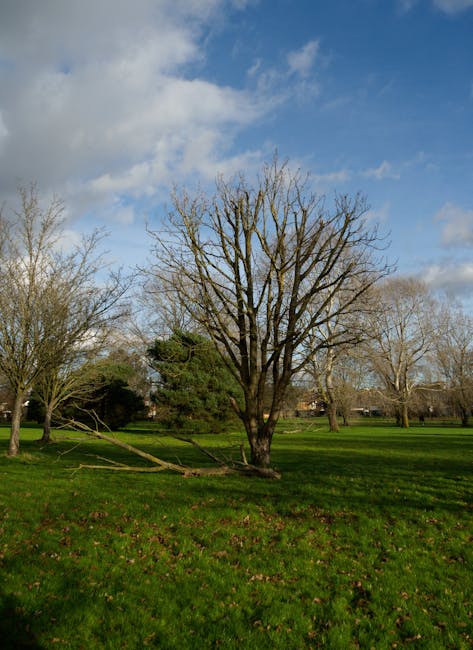
Tree work permissions Hillingdon Council Ickenham: what you need to know before touching a tree
If you are planning tree work permissions Hillingdon Council Ickenham rules can feel oddly opaque at first. One minute you are looking at a branch hanging over the path, the next you are wondering whether a quick prune, a full removal, or even just tidying up the crown needs council approval. It is a familiar situation in a place like Ickenham, where mature gardens, boundary trees, and street-facing greenery often sit close to homes, neighbours, and public spaces.
The short version? Not every job needs permission, but some absolutely do. And getting it wrong can mean delays, fines, or being told to undo work you have already paid for. In this guide, we will break down how tree permissions usually work in Hillingdon, when you should check first, what information to gather, and how to plan tree work in a way that is calm, practical, and compliant. No fluff. Just the stuff that actually helps.
Quick takeaway: If a tree is protected, in a conservation area, or linked to planning conditions, do not start work until you have checked what applies. A five-minute check can save you a five-figure headache. Not glamorous, but true.
Why Tree work permissions Hillingdon Council Ickenham Matters
Tree work is not just a gardening decision. In many parts of London, trees are part of the local character, and councils tend to take a measured view of pruning, lopping, topping, and removal. That is especially relevant in residential areas such as Ickenham, where one tree can affect several properties, footpaths, light levels, drainage, and even wildlife habitats.
The biggest reason permissions matter is simple: some trees are legally protected. If a tree has a Tree Preservation Order, often called a TPO, you normally need consent before carrying out most work on it. The same applies in conservation areas, where the council expects notice before work begins on certain trees. Sometimes planning conditions also restrict what can be done. So the question is not only "Can I cut it?" but "Should I check first?"
And yes, you should. Let's face it, nobody wants to finish a tidy-looking job only to discover it should have been approved beforehand.
There is also a practical angle. If you are selling a home, managing a rental property, or improving a garden, having the paperwork in order helps avoid awkward delays later. It can also make it easier to explain to neighbours what is happening if branches cross a boundary or hang over a shared space.
If your wider garden project includes cleanup, path clearance, hedge shaping, or redesigning the space after tree work, you may also want to look at our services overview, garden clearance support, or ongoing garden maintenance so the whole job is handled in the right order.
How Tree work permissions Hillingdon Council Ickenham Works
The process is usually more straightforward than people expect, although there are a few moving parts. First, you identify whether the tree is protected or sits in an area where prior notice is needed. Then you decide what kind of work you want to do. Pruning a few small branches is not the same as removing a mature tree, and councils generally treat those jobs differently.
In plain English, there are a few common scenarios:
- Unprotected tree, outside a conservation area: Minor work may not need council permission, but you still need to think about safety, neighbours, and tree health.
- Tree with a TPO: Most work requires formal consent before anything starts.
- Tree in a conservation area: You may need to give notice before carrying out certain works, even if the tree is not under a TPO.
- Tree linked to a planning condition: The permission may sit with a planning approval, so the condition needs checking too.
The tricky bit is that one tree can fall into more than one category. A mature lime at the front of a property might look ordinary, but if it is protected or within a designated area, the rules become more formal. That is why a proper check is always better than assuming.
In practical terms, you will usually need to describe the tree, explain the proposed work, and sometimes provide a sketch plan or photos. The more clearly you explain the reason for the work, the better. Safety issues, disease, overcrowding, and genuine management concerns are easier to understand when they are described plainly.
For jobs that involve cutting back overgrowth, removing dead wood, or clearing up after heavy pruning, it can also help to line up the rest of the garden work at the same time. A tidy finish matters. If the space needs a wider refresh afterward, landscape gardening support or full landscaping may be the next sensible step.
Key Benefits and Practical Advantages
Permission checks are not just about avoiding trouble. Done properly, they make tree work safer, clearer, and easier to manage.
- Legal peace of mind: You know where you stand before the first cut is made.
- Better planning: You can line up contractors, access, waste removal, and follow-up work without redoing everything later.
- Neighbour confidence: If branches cross boundaries or block light, a documented approach helps keep conversations sensible rather than tense.
- Tree health: Proper permissions often go hand-in-hand with better pruning decisions, which matters more than people think.
- Property value protection: A well-managed tree can add character; a badly handled one can create expensive problems.
There is a quieter benefit too. When tree work is handled correctly, you are less likely to end up with the classic "it looked fine on the day, but now it looks hacked back" situation. We have all seen those jobs. Bit of a shame, really.
For homeowners who want the garden to feel finished rather than half-managed, a coordinated approach works best. That might include tree work, hedge shaping, lawn care, and even small structural additions. If that sounds like your project, hedge trimming and lawn mowing can help keep everything looking intentional rather than patchy.
Who This Is For and When It Makes Sense
This topic matters to more people than you might expect. If you own a house in Ickenham, manage a rental, look after a shared garden, or are overseeing a property refurbishment, tree permissions should be on your radar.
You especially need to check permissions if you are:
- planning to remove a mature tree
- reducing the height or spread of a tree near a road or pavement
- dealing with a tree close to a boundary or neighbour's garden
- working on a property in or near a conservation area
- responding to storm damage, decay, or visible structural problems
- coordinating tree work with wider garden or building improvements
It also makes sense to check if you are a first-time buyer or new landlord. People often inherit a garden and discover a protected tree only after the chainsaw has been booked. Too late then. A little frustration upfront can save a lot of paperwork later.
If your tree work is part of a broader tidy-up, tree lopping and removal services may be relevant, especially where dead wood, height reduction, or full removal is being considered. And if the site is heavily overgrown, a pre-work clearance through garden clearance can make the job safer and quicker.
Step-by-Step Guidance
If you want a simple way to approach tree work permissions Hillingdon Council Ickenham style, use this sequence. It is not fancy, but it works.
- Identify the tree clearly. Note where it stands, how big it is, and whether it is on your land, near a boundary, or visible from the road.
- Assess the work you want done. Is it light pruning, crown reduction, dead-wood removal, or complete removal? The type of work matters.
- Check for protection. Look for signs the tree may be protected by a TPO, conservation area status, or planning condition.
- Gather evidence. Take clear photos from a few angles. If there is a problem such as disease, split limbs, or storm damage, photograph that too.
- Prepare a plain-English description. Say what you want done and why. Keep it practical. Councils do not need poetry; they need clarity.
- Submit the right request or notice. If permission or notification is needed, make sure the right form or process is used.
- Wait for the appropriate response. Do not begin work early just because the tree looks obvious. Trees can be tricky, and rules are rules.
- Use a competent contractor. Make sure anyone doing the work understands tree safety, access, and waste handling.
A useful habit is to keep all correspondence together in one folder, digital or paper. If there is any question later, you can quickly show what was checked, when, and why.
When the work is approved, keep the scope tight and clear. A contractor should know exactly what is included so nobody accidentally does more than was agreed. That detail matters.
| Situation | What you usually need to check | Typical risk if ignored |
|---|---|---|
| Protected tree | TPO consent before most works | Unauthorised work and enforcement action |
| Tree in conservation area | Notice before certain works | Delays or invalid work if notice is skipped |
| Boundary tree | Ownership, consent, and neighbour agreement | Disputes and accidental trespass |
| Storm-damaged tree | Urgency, safety, and evidence | Unsafe conditions or over-cutting |
| Part of a landscaping project | Sequence of works and final garden design | Messy finish or repeated disruption |
Expert Tips for Better Results
Here is the part people often skip, even though it saves time.
Tip 1: Think about the tree's future, not just today's problem. A tree that is slightly overgrown is usually better managed with sensible pruning than with a hard, repeated cut. Heavy-handed work can create weak regrowth and more work later.
Tip 2: Photograph everything before and after. This is especially useful if the tree is near a boundary or there is any pre-existing damage. It is one of those boring habits that becomes very handy, very quickly.
Tip 3: Keep neighbour communication calm and early. A quick, friendly word often helps. "We are checking permissions and sorting the tree properly" goes down much better than "the lads are coming tomorrow, hope that's fine."
Tip 4: Match the contractor to the job. Not every garden team is right for every tree. For larger or more complex work, look for people who understand access, rigging, and waste handling, not just cutting. If the job needs careful attention to property protection and site safety, the guidance on insurance and safety is worth reviewing before work begins.
Tip 5: Ask what happens with arisings. Branches, stump material, and green waste can create more disruption than the actual cutting. If the pile has to be removed, that should be planned, not improvised in the driveway at 4 p.m. on a wet day.
And one more, just because it matters: if you are not sure whether work is allowed, pause. A short pause is cheaper than a corrective job.
Common Mistakes to Avoid
Most tree permission problems come from a handful of avoidable mistakes. The annoying thing is that they are easy to prevent.
- Assuming all tree work is routine. It is not. Some jobs need formal permission or notice.
- Only checking one issue. A tree can be protected in more than one way. Don't stop at the first answer.
- Starting work before approval. Even if a contractor is available sooner, that does not make it lawful.
- Using vague descriptions. "Trim the tree" is not enough if the council needs to know the extent of the work.
- Ignoring boundary implications. Overhanging branches and root spread can affect neighbours, patios, fences, and drainage.
- Forgetting replacement planning. If a tree comes out, ask what the garden will look like next. A bare patch can feel bigger than you expected.
One of the most common mix-ups is between pruning for maintenance and major reduction. They sound similar, but the practical and regulatory implications can be quite different. The same is true of dead-wood removal versus partial dismantling. Small language differences, big consequences.
Tools, Resources and Recommendations
You do not need specialist software to handle the basics, but a few simple tools help a lot:
- Phone camera: Take wide shots and close-ups of any damage, decay, or overhang.
- Site sketch: A rough sketch showing the tree, house, boundary, and nearby paths can be enough for initial planning.
- Notes app or folder: Keep dates, conversations, and documents in one place.
- Measuring tape or visual markers: Useful for showing how much canopy extension or clearance is involved.
- Trusted contractor advice: A good local team should be able to explain what is realistic and what may need formal checking first.
For homeowners trying to manage the rest of the garden alongside tree work, regular garden maintenance can help keep the space from becoming a second project before the first one is finished. If the whole plot needs a design reset after the tree work, landscape gardening and decking services may be part of the long-term plan.
You may also want to review the company's pricing and quotes page so you understand how a contractor might structure work, especially if the project is split into inspection, pruning, waste removal, and follow-up tidying.
Law, Compliance, Standards, or Best Practice
Tree work in the UK sits at the intersection of property management, planning controls, and basic safety practice. You do not need to become a lawyer, but you do need to know the broad framework.
The most relevant concepts are:
- Tree Preservation Orders (TPOs): These protect specific trees or groups of trees. If a tree is covered, consent is normally required before work.
- Conservation areas: Trees in these areas often require notice before certain works, even if they are not individually protected.
- Planning conditions: Some developments or permissions include tree-related conditions that remain important years later.
- Duty of care: Property owners should manage obvious hazards and avoid negligence where trees might affect people or property.
Best practice is to proceed carefully, document your decisions, and avoid over-cutting. A well-shaped tree is usually healthier and less controversial than one that has been taken back too hard. In UK garden work, restraint is often the mark of real competence.
Safety standards matter too. Branches can fall unpredictably, ladders can shift, and nearby fences, glazing, and driveways can be damaged easily. If a tree is tall, close to a road, or in poor condition, professional handling is usually the sensible route. Truth be told, the cost of being careful is usually lower than the cost of being casual.
If you want to understand the business standards behind the work, the company's health and safety policy, terms and conditions, and recycling and sustainability pages provide useful context on how jobs should be handled responsibly.
Options, Methods, or Comparison Table
Not every tree issue needs the same response. Here is a simple comparison that helps people decide what to do next.
| Approach | Best for | Pros | Watch out for |
|---|---|---|---|
| Light pruning | Minor shaping, clearance, or tidying | Least disruptive, usually easiest to manage | Still needs checking if the tree is protected |
| Crown reduction | Reducing spread or height more noticeably | Can improve light and clearance | Needs skill; poor cuts can stress the tree |
| Dead-wood removal | Safety and maintenance | Often less controversial, improves safety | Large dead limbs may still need careful handling |
| Full removal | Unsafe, diseased, or unwanted mature trees | Solves space or risk issues decisively | Most likely to need formal approval |
| Stump management | When the base is left behind after removal | Improves future garden use | Should be planned with the overall garden design |
There is no universal "best" option. The right method depends on the tree, the site, and the reason for the work. A smart decision in Ickenham often balances appearance, safety, and permission requirements together, not separately.
Case Study or Real-World Example
Imagine a homeowner in Ickenham with a mature tree near the front boundary. The branches have started to shade the drive, the lower limbs are brushing near a fence, and a neighbour has mentioned leaf drop. The instinct is to book a heavy cut and sort it quickly.
Instead, the owner checks whether the tree is protected and finds that it sits within an area requiring notice before work. They collect photos, describe the issue clearly, and ask for a sensible reduction rather than a harsh trim. The contractor inspects access, confirms the tree's structure, and recommends a measured approach that keeps the shape while improving clearance.
The result is not dramatic, which is exactly why it works. The garden looks tidier, the drive gets more light, and the tree still feels like part of the property rather than an afterthought. The owner avoids a compliance problem, the neighbour stays informed, and the whole thing moves forward without drama. Nice, boring, successful.
That kind of outcome is usually what people want, even if they do not say it out loud. No headlines, no fuss, no "we had to undo it." Just a good job done properly.
Practical Checklist
Use this checklist before any tree work begins:
- Confirm the tree's exact location on the property
- Check whether it may be covered by a TPO
- Check whether the property sits in a conservation area
- Look for planning conditions tied to the site
- Define the work clearly: prune, reduce, remove, or clear dead wood
- Take photos from several angles
- Note any visible damage, disease, or storm impact
- Consider neighbour boundaries and access
- Confirm whether waste removal is included
- Keep written records of advice and approvals
- Choose a contractor who understands tree safety and local compliance
- Plan what happens to the rest of the garden after the work
If you can tick off those points calmly, you are already ahead of most rushed jobs. That is usually where the headaches start, after all.
Get a free quote today and see how much you can save.
Conclusion
Tree permissions are one of those subjects that seem dull until they become urgent. In Ickenham, where many gardens have mature trees, boundaries, and nearby streets, it is worth slowing down long enough to check the rules before work starts. That one habit can protect your property, your budget, and your peace of mind.
The best approach is simple: identify the tree, understand the proposed work, check whether permission or notice is needed, and then use a competent contractor who respects both the tree and the paperwork. Do that, and the whole process becomes much more manageable. A bit less stress, a bit more confidence.
If your garden project is bigger than the tree itself, or you want help bringing the whole outdoor space back into shape afterwards, it makes sense to speak with a team that handles the practical side carefully and cleanly. Sometimes the smartest move is just getting the right advice early.
And if you do nothing else today, do this: check before you cut. It saves trouble. Usually a lot of trouble.
Frequently Asked Questions
Do I need permission to cut down a tree in Ickenham?
Not always, but you should never assume. If the tree is protected by a TPO, sits in a conservation area, or is tied to a planning condition, you may need formal permission or notice before any work begins.
What is a Tree Preservation Order?
A Tree Preservation Order, or TPO, is a legal protection placed on a tree or group of trees. It limits what can be done without consent, usually to protect trees that contribute to the local environment or appearance.
How do I know if my tree is in a conservation area?
You will usually need to check the property's planning status or ask the council. If you are unsure, treat it as a check worth making before work starts. A quick question now is better than an awkward surprise later.
Can I prune branches that hang over my boundary?
Sometimes yes, but only if the tree is not protected and you are careful not to trespass or damage the tree unnecessarily. If the tree is protected, permission rules can still apply even when the branches cross into your space.
What should I do if a tree looks dangerous after a storm?
If there is obvious danger, prioritise safety first and keep people away from the area. Then document the damage and seek advice promptly. Emergency situations are treated differently from routine maintenance, but you still need to act carefully.
Does tree work permission apply to small trees too?
It can. Size matters, but protection status matters more. A small tree may still be covered by a TPO or be inside a conservation area, so do not rely on height alone.
Will the council usually approve sensible pruning?
That depends on the tree, the reason for the work, and whether the proposal is proportionate. Well-explained maintenance is easier to support than vague or excessive cutting. Clarity really helps.
What information should I give when asking about tree work?
Give the tree's location, a clear description of the work, why it is needed, and photos if possible. If there are issues like decay, lean, or storm damage, mention those too. Plain language is best.
Can I arrange tree work before getting permission if a contractor is available sooner?
No, not if permission or notice is required. Starting early can create serious problems and may leave you having to undo the work. That is a costly shortcut.
What is the difference between pruning and removing a tree?
Pruning reduces or reshapes the tree, while removal takes the tree out entirely. Removal is usually more sensitive from a permissions point of view and often needs a more formal check.
Should I speak to my neighbour before tree work?
It is often a good idea, especially if branches overhang a boundary or the work may be noisy or visible. A quick conversation can prevent misunderstandings and makes the whole process feel less abrupt.
Where does tree work fit into a bigger garden project?
Usually it comes before other finishing work, especially if access is needed or debris is likely. Once the tree side is sorted, the rest of the garden can be tidied, replanned, or maintained more effectively.
If you are ready to plan the work properly, start with the checks, then move on to the practical details. It tends to go a lot smoother that way, and honestly, that is what most people want in the end.